


0
22
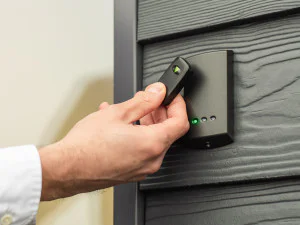
In short: Paxton Net2 cards and fobs are the credentials a Net2 access control system reads at the door. Most run at 125kHz and they are all enrolled the same way: you present or swipe the token at a Net2 desktop reader and the software opens a new user record for it. The real choice is about how people will carry the token. Pick an ISO card if it ..
0
20
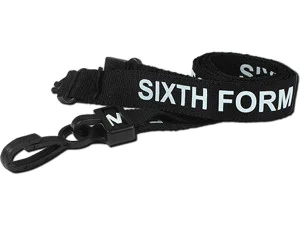
In short: Sixth form lanyards and other colour-coded school lanyards let staff see who belongs on site at a glance. A simple scheme gives each group its own colour and printed word, such as STAFF, STUDENT, SIXTH FORM or VISITOR. Choose a breakaway lanyard for anyone wearing one all day, pair it with a clear card holder and keep spare stock of every..
0
21
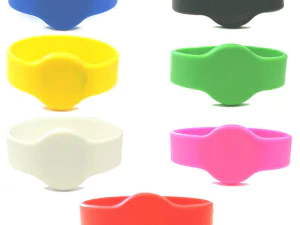
In short: RFID wristbands are contactless credentials worn on the wrist. A small chip and antenna sit inside a silicone or woven fabric band, so the wearer can open a locker, go through a door or gate and pay at a bar with a tap. They suit wet, busy or hands-full places such as leisure centres, spas, festivals and hotels. The one rule that matters ..
0
21
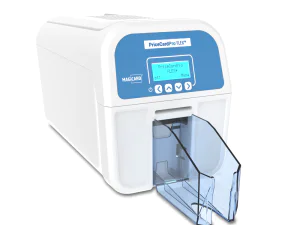
In short: a price card printer lets a shop print its own durable plastic price cards on demand instead of handwriting paper tickets. The Magicard PriceCardPro range prints full colour or monochrome price signs on card the size of a bank card, with the PriceCardPro Flex+ adding double-sided printing and long cards up to 140 x 54mm for allergens, ing..
0
27
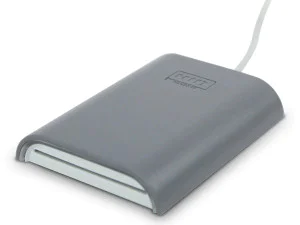
In short: a smart card reader is a device that lets a computer talk to the chip inside a card. Contact readers use the gold chip contacts (ISO 7816). Contactless readers use radio at 13.56MHz (ISO 14443) for cards such as MIFARE and DESFire. A dual interface reader does both in one device. 125kHz proximity readers are a separate family that mainly ..
0
34
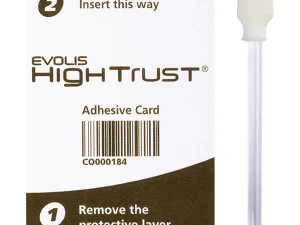
In short: to clean an ID card printer, switch it off, remove the ribbon, wipe the printhead with an isopropanol cleaning pen or swab, then run a cleaning card through the card path and refresh any adhesive cleaning roller. An ID card printer cleaning kit for your exact model holds everything you need. We recommend a cleaning cycle after every ribbo..
0
38
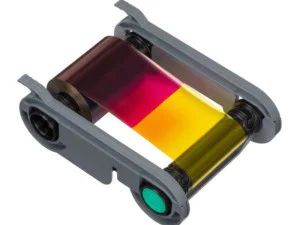
In short: ID card printer ribbons are coded by their panels. Y, M and C are the dye colours for photos, K is resin black for text and barcodes and O is a clear overlay that protects the card. A YMCKO ribbon prints a full-colour single side, YMCKOK adds a second black panel for the back, KO prints black with an overlay and a monochrome ribbon prints..
0
52
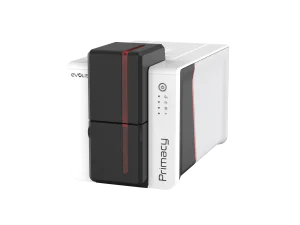
In short
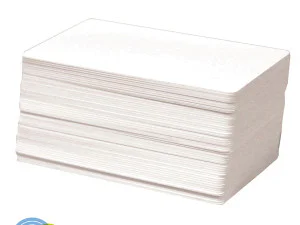
A single-sided ID card printer prints one face of the card. A double-sided ID card printer (also called dual-sided or duplex) prints both faces in one pass.
A built-in card flipper module turns the card over automatically, so you load blank cards once.
You need a back side if your cards carry a barcode, terms of use, a return address, em..
0
90
Almost every access card or fob has to work with a system that is already on your doors. Choosing the card is the easy part. Matching it to the system is where most problems start. This guide explains the technologies, shows you how to tell which system you have and lists what we need from you to supply cards that work first time.
What is an access..
0
215
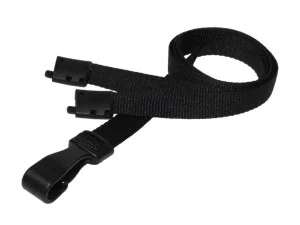
A lanyard is a strap worn around the neck that keeps an ID card, pass or key where it can be seen and reached. In most workplaces it is the simplest way to keep photo ID on show through the day. This guide explains what the word means, the parts of a lanyard, the widths and fittings available and why so many lanyards now include a breakaway.
What d..
0
424
Most access cards and key fobs look alike from the outside. The outside tells you very little about the chip inside. That chip decides whether a replacement will open your doors. This guide explains the three technologies we are asked about most often (125kHz proximity, MIFARE Classic and MIFARE DESFire) along with a few close relatives. It also sh..
0
254
What goes into the cost of one printed card
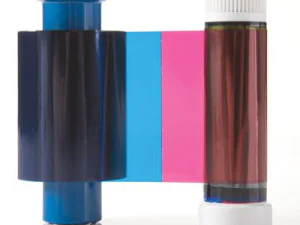
Once an ID card printer is on the desk, the cost of each extra card comes down to two consumables: the ribbon and the blank card. Work those out and you have a figure to hold up against any quote for printed cards.
The formula is simple. Divide the ribbon price by the prints it is rated for, then add the ..